Summer #1 CSA Newsletter May 31 - June 6, 2026
Updated: Jun 5
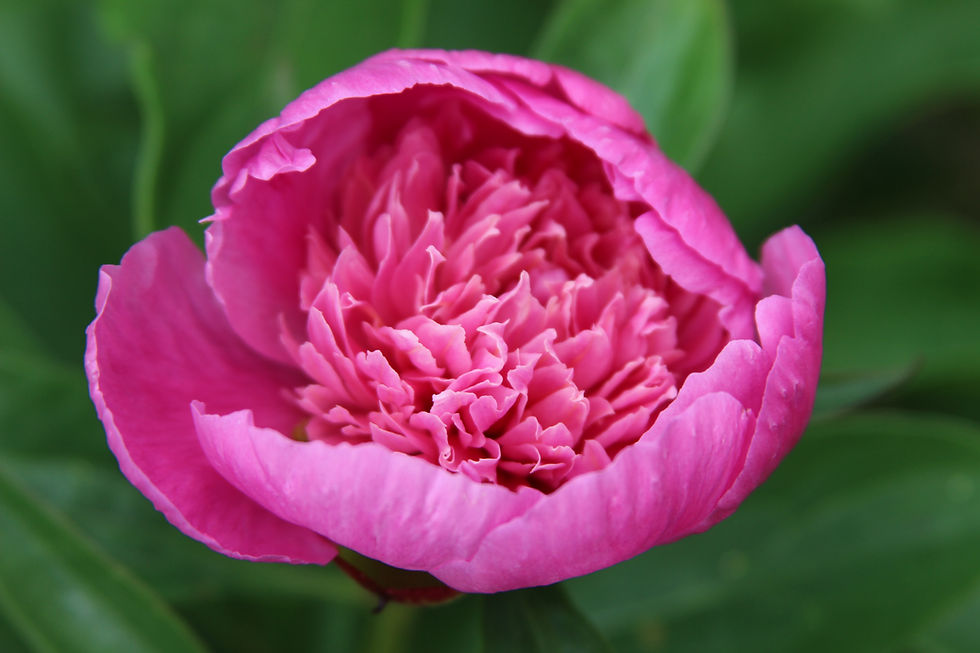
(photo by Marlee)
This beautiful peony just unfurling its petals and promising more beauty to come signify this week's CSA share with its first of the summer season vegetables . . . and promise of more to come.
This week's share

.
VEG SHARES - Weekly + "A" week for EOW

Info for the vegetables in the Default Share plus those available for those choosing the Design Share:
ASPARAGUS (1 lb) - Can be eaten raw or cooked many ways—roasted, grilled, steamed, boiled, pan-roasted, fried and can be added to pasta, salads, soups, and stir-fries.Steam with butter or hollandaise sauce, blanch and chill with a vinaigrette, herbs, or other dressing. Generally speaking, thicker spears are better for roasting, grilling, and stir-frying, and thinner stalks are traditionally left whole so their tender, meaty texture can be appreciated. Trim before cooking by holding the ends and bending the spear until it breaks somewhere in the middle; everything from the middle up will be tender enough to eat easily. Store in the fridge either in a vase of water (cut a sliver off the stalk ends first if they are dried) or store them in a loosely wrapped plastic bag in the crisper drawer. Just remember that the sooner you eat it, the better the flavor. Asparagus can also be blanched and then frozen although it will be more mushy when thawed - perfect for soup! Pickling is another option.
LETTUCE MIX (¼ lb) - Store in a plastic bag in your fridge. Often considered a “1st Priority Vegetable” with a shorter shelf life than the other vegetables in your share, however if you put a paper or cloth towel in the bag to absorb moisture, our freshly harvested lettuce will often lasts more than a week! Guide & Recipes
ARUGULA (4 oz.) - Arugula is spicy peppery green. You can eat it alone or as an accent in other salads. It’s more perishable than lettuce and should be eaten earlier rather than later. Although adding a sheet of paper towel to the plastic bag before storing in the fridge will extend its life. Guide & Recipes
SPINACH (½ lb) - This green is very versatile (and YES! You can eat the stems, in fact they are very tasty too. ;) It can be eaten cooked or raw, requires little prep, works with sweet or savory ingredients, stands up to other hearty ingredients, and pairs well with rich, fatty foods such as cheese, butter, bacon, and cream. Raw is popular in salads with, or without, pecans, dried fruit such as cranberries, chunks of cheese, sunflower seeds, and roasted beets. Other possibilities are steaming, boiling, stir-frying, or sautéeing with butter or olive oil. Known as a longer keeper than lettuce, store in a plastic bag in the refrigerator for a week or more. Note - Cooks down in size considerably. Guide & Recipes
STINGING NETTLES (1/2 lb) - Guide & Recipes
GOLD POTATOES (1 lb) With a golden peel and flesh, these potatoes have a sweet, buttery, and earthy flavor suited for cooked applications such as roasting, grilling, frying, mashing, sautéing, and boiling. The tubers retain their color when cooked, and the skin can be peeled or left intact, depending on preferences. Guide & Recipes
CARROTS (1 bunch) - Store the roots dry and unwashed in a plastic bag in the refrigerator. Guide & Recipes
SUNCHOKES - Also known as Jerusalem Artichokes. Its texture is crispy, like jicama and water chestnuts, and it has the earthiness of a real artichoke. Sunchokes are edible raw or cooked, including the skins. The thin skin is difficult to peel, and they turn brown/grey quite quickly, so a good scrubbing is a better option. Sunchokes can be eaten raw, cooked, baked, pickled, and fermented. Storage: Because of their thin skin, sunchokes can’t be “cured” for long storage like potatoes can be. Keep them in a bag or container in the fridge and plan to use in about 10 days. Guide & Recipes
SNOW PEAS (1/2 pint) - Often used in Asian recipes, you eat the whole pod which is tender and contains baby seeds inside that are so small, you may not even notice them! Munch on this healthy snack and enjoy the crunch. Guide.
RADISHES with greens (1 bunch) - Separate radish from leaves for storing! Keep the greens in a loosely wrapped plastic bag in the crisper bin of your refrigerator and eat them soon. Store the colorful roots in a plastic bag in the refrigerator for a week or so. Eat them raw with a sprinkle of salt, slice into salads or on sandwiches for added crunch, pickle or roast with carrots. Guide & Recipes
SALAD (Hakurei) TURNIPS (1 bunch) - These popular white golf-ball or smaller size roots are juicy, sweet and less starchy than an average turnip, with a texture that deserves to be eaten raw or barely cooked. Hakurei turnips have the tender, almost creamy texture of a spring radish, but without the sharp heat of a radish, their more mellow turnip flavor shines through.They are crisp and tender. Use them in salads, sandwiches, stir frys, sautes, scrambled eggs or sauces. Remove the edible tops (use in salads or lightly sauteed) and store them separately in a plastic bag in the fridge (or the root will get soft). Best used within 3-4 weeks but will keep a long time! Guide & Recipes
SORREL (1 bunch) - Kind of a salad green & kind of a herb and in the same family as rhubarb, sorrel’s astringent citrusy flavor adds a little kick to your meal. And its rich in potassium, vitamins Q, B1, and C. A rule of thumb for using - anywhere you’d add a squeeze or two of lemon, sorrel would be good! When heat is added, sorrel breaks down nicely making it a great thickener for sauces and soups. It’s strong flavor pairs well with fatty meats & fish like salmon, creamy dishes, and cheeses. Great cut into thin strips and mixed with other salad greens to eat fresh. Other ideas include using it in soups, sauces, pesto, salads & dressings, potato toppings, hummus, quiches, omelets, crepe fillings, pizza, pasta dishes. 7 More Recipe Ideas Sorrel will last 1-2 weeks in a plastic bag in your fridge. If you wish to rinse or wash, wait until just before using to prolong shelf life.
YELLOW ONIONS (1 lb) - Store on your counter or in your pantry out of direct sunlight. Onion peels can be put into a freezer bag with other vegetable scraps to make soup stock later, as they are full of antioxidants. To freeze: Cut or slice onions to desired size and place in Ziplock bag. Remove all the air and seal. It helps to freeze them in 2-3 cup increments. These are a good all-around onion, great for cooking and flavoring dishes. By far, they're the most popular onion sold in America and versatile enough for just about anything. Yellow onions are a smart choice for caramelizing, which draws out their natural sweetness. (from our farm & Gwenyn Hill Farm)
CHIVES (1 bunch) - Chives, with long, pencil-like, thin edible leaves with hollow centers and also edible purple flowers, belong to the allium family, making them relatives of onions, leeks, scallions, and garlic. They are typically chopped and are most often used as a garnish but are good on just about anything. Their flavor pairs well with any savory dish. and the bright green color adds visual appeal as well. Note: if added to a dish too early, they will wilt easily. Chives will keep a few weeks in the fridge in a plastic bag although quality will be better if used within a week.
GARLIC CHIVES (1 bunch) - Garlic chives look similar to chives, but their leaves are broad and flat instead of hollow. Their garlicky flavor enhances cooked dishes, particularly ones where the food is slowly simmered in a sauce, such as red-cooked stews or soups, or in stuffing. Use them also to add flavor to stir-fries. They go particularly well with eggs and seafood—you’ll often find them paired with scrambled eggs or prawns.
BABY GINGER (¼ lb) - Baby ginger is much milder than mature ginger. Ways to use it: Grate it into stir-fries and soups for a mild, warming spice, blend it into smoothies or homemade popsicles, make a soothing, sweet-spiced tea, perfect for cozy evenings, simmer with sugar to make a ginger syrup, make a zesty salad dressing with minced baby ginger, olive oil, vinegar, and honey, or add it to muffin or cookie batter for a subtle warmth and aroma in your baked goods. Storage: Baby ginger will keep a couple weeks in the fridge. If you won't use it by then, put it in the freezer and just grate some off when you need it. It'll keep many months there. from Farm on Central and not certified organic BUT grown organically without synthetic pesticides or fertilizers.
RHUBARB - (1 lb) - These tart green & magenta stalks this hardy perennial vegetable is generally thought of as a fruits. It’s mouth puckering goodness is often sweetened with a little sugar or honey and is used in dishes like crisps, compotes, and pies (from which it gets its second name, "pie plant"). Rhubarb also lends a fruitiness to savory dishes and pairs very nicely with pork and poultry. To use: wash and trim off any dry ends. Some peel the skin but there’s no need to do this and besides it holds lots of color and flavor. Store in loose plastic in the crisper drawer of the fridge, where it will keep for about a week or a little more. To freeze, cut the rhubarb stalks into 1-inch chunks and seal in an airtight bag and it will keep for up to a year.
ALL PURPOSE BOLTED FLOUR - Best applications include but are not limited to cakes, crackers, pizza dough, and breads.PROTEIN CONTENT= 10.5%. (from Meadowlark Organics)
MES SHARES - Round 1, 1st week

EGG SHARES - all Weekly & Biweekly "A"
Recipes:
On the Farm . . .

Here's Marlee, Liam, Bill, and me (behind the camera) picking asparagus.
Aidan's usually picking too but was off moving cows this time.
Spring on our farm means lots of things.
Things like planting, new chicks and calves, AND asparagus!!!
We love asparagus and eat it almost every meal this time of year. Usually we grill in the evening and someone always throws a big armful of asparagus on the grate after the meat is pulled off.

Here's our son Aidan taking a break between asparagus fields.
This guy works so hard every day, every season, every job.
He's a farmer through and through, and we'd never have all the great food we have for you if it weren't for him.
I wake up every morning grateful he loves what he does.
And that he's so darn good at it.

Above are mini broccoli plants.
This type of broccoli grows fast, and in just
a couple more weeks, we'll be snapping broccoli florets for you. 🥦

Planting sweet corn seedlings with the old tobacco planter that the guys scored at the salvage yard last spring.
It's coming in so handy again this year.

The three of us on the way back from the field after planting.
The feeling of getting seedlings in the ground where they can grow unbounded by soil block or black plastic tray walls is such a satisfying one, and I wanted a selfie of us feeling it.
So here you have it - - Ahhhh . . . sweet, sweet satisfaction!

Above is pretty arugula in field, and below is snow pea flowers.
This summer our pea order will be snow, followed by snaps, and then shelling ones.
We planted the fewest of these first snow peas.
I wish we'd done more, but we started them in the greenhouse and didn't have more room to do more, so it is what it is.
Regardless, with all the blossoms being thrown out, I'm thinking we'll end up with a respectable harvest for you.
Fingers crossed. 🤞


The first of the potato plantings look gorgeous. ⬆️
They're full, green, thriving, and promising harvests in the next couple months.

Aidan and Bill working on the lawn mower.
Turns out an errant piece of sisal baler twine got picked up and tangled above one of the blades stopping up the whole works.
The guys cut it off, cleaned up the deck, which it needed badly, and then the mowing commenced.

We have load of asparagus right now, so when we aren't picking it, weighing it up, or packing it in your shares, we're at market selling it!
Here's Bill and me last Sunday at the Ridgeway Farmers Market.
Have a great week, and I'll see you back here again next week!
😘
~ ~ ~


Comments